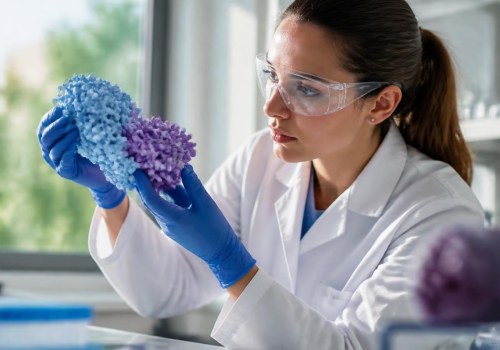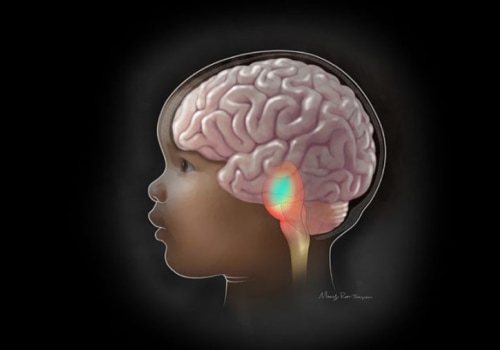
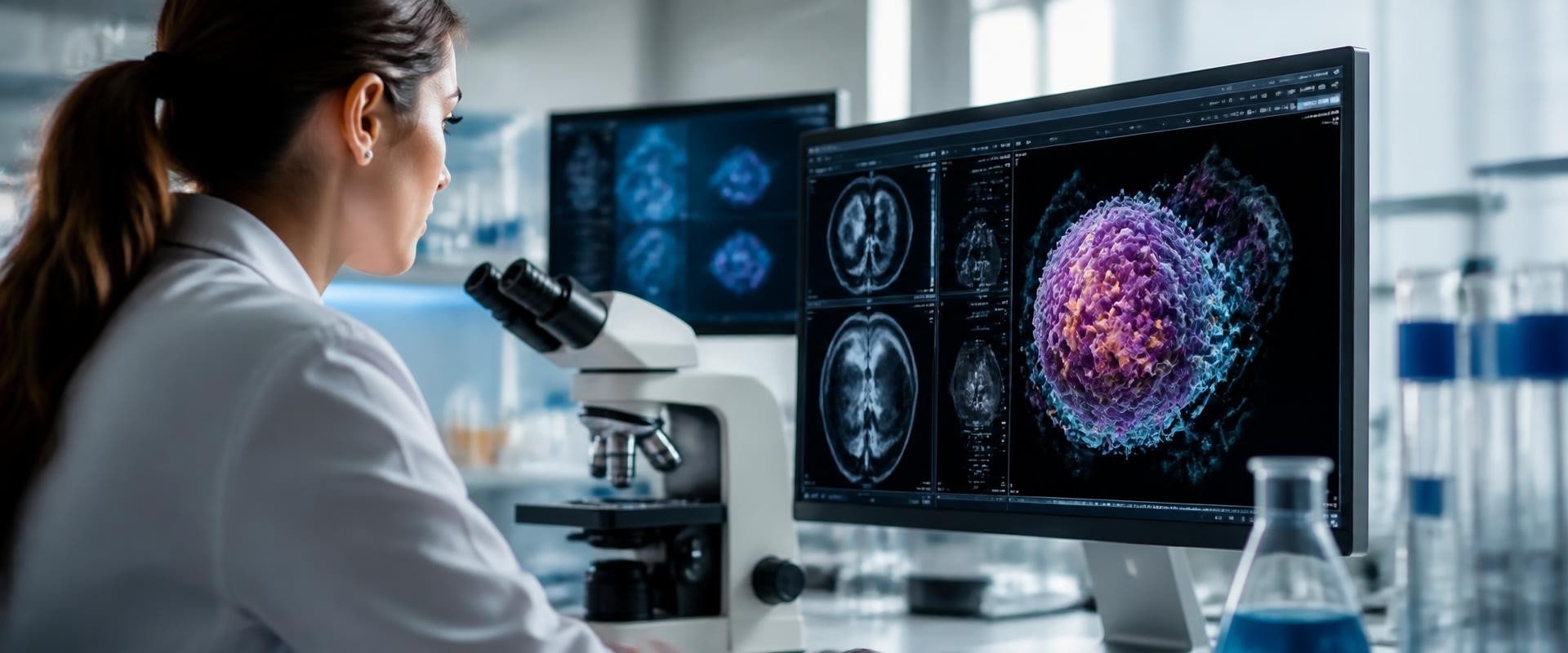
In the ever-evolving landscape of oncology, innovative approaches in cancer treatment are not just a hope for the future; they are becoming a reality that promises to reshape patient care and outcomes. As researchers push the boundaries of science, we find ourselves on the brink of significant breakthroughs that could redefine how we understand and combat cancer. From harnessing the body’s own immune system to pioneering gene therapies that target specific tumor characteristics, the potential of emerging therapiesemerging therapies is both exciting and profound. The complexity of cancer as a disease presents unique challenges, but it also offers unprecedented opportunities for innovation. Traditional treatments such as chemotherapy and radiation have served us well, yet they often come with limitations and side effects that can significantly impact a patient's quality of life.
This has driven the quest for new strategies that not only aim to eradicate cancer cells but also enhance the body’s natural defenses. In this article, we will delve into some of the most promising innovative approaches currently being explored in cancer research. By examining cutting-edge therapies such as CAR T-cell therapy, personalized medicine, and nanotechnology, we aim to provide insights into how these advancements are paving the way for more effective and less invasive treatment options. Join us as we explore the future directions in cancer research and uncover the transformative potential of emerging therapies.The significance of emerging therapies in cancer treatment cannot be overstated. As cancer research rapidly evolves, these innovative approaches offer renewed hope to patients who may have exhausted traditional treatment options.
Recent breakthroughs have not only improved survival rates but have also enhanced the quality of life for many individuals battling this disease. By exploring various types of emerging therapies, we can gain a deeper understanding of how they work, their effectiveness, and the specific cancers they target. One of the most promising areas in cancer treatment is immunotherapy. This approach harnesses the body's immune system to recognize and destroy cancer cells. Unlike traditional therapies that directly target cancer cells, immunotherapy aims to boost the immune response against tumors.
For instance, checkpoint inhibitors, a type of immunotherapy, block proteins that prevent immune cells from attacking cancer cells. In recent clinical trials, patients with advanced melanoma treated with checkpoint inhibitors have shown a response rate of approximately 40%, significantly improving their prognosis compared to previous treatments. Another groundbreaking approach is For instance, checkpoint inhibitors, a type of immunotherapy, block proteins that prevent immune cells from attacking cancer cells. In recent clinical trials, patients with advanced melanoma treated with checkpoint inhibitors have shown a response rate of approximately 40%, significantly improving their prognosis compared to previous treatments. Another groundbreaking approach is targeted therapy, which focuses on specific molecular targets associated with cancer. Unlike conventional chemotherapy, which indiscriminately affects all rapidly dividing cells, targeted therapies disrupt the growth and spread of cancer by interfering with specific pathways involved in tumor growth. For example, drugs like trastuzumab (Herceptin) target the HER2 protein found in some breast cancers, resulting in a 30% reduction in the risk of recurrence for patients with HER2-positive tumors.
The precision of targeted therapy has made it a cornerstone in the treatment of various cancers, including lung and colorectal cancers.
Gene therapy
represents another frontier in cancer treatment. This innovative approach involves altering the genetic material within a patient's cells to combat or prevent disease. For instance, researchers have developed methods to insert genes that produce proteins capable of inducing an immune response against tumors. One notable case is that of a patient with advanced leukemia who underwent gene therapy that led to a complete remission after failing multiple other treatments.While still largely experimental, gene therapy shows promise in treating cancers such as glioblastoma and certain types of leukemia.
Personalized medicine
takes a tailored approach to cancer treatment by considering individual genetic makeup and tumor characteristics. By analyzing the genetic profile of a patient’s tumor, oncologists can select treatments that are more likely to be effective based on specific mutations present in the cancer cells. For example, patients with non-small cell lung cancer who have mutations in the EGFR gene may benefit from targeted drugs like erlotinib, which can lead to significant improvements in survival rates. Recent studies show that personalized medicine can increase overall survival by up to 50% for certain patient populations. Anecdotes and case studies can further illustrate the impact of these therapies.Consider the story of Sarah, a young mother diagnosed with triple-negative breast cancer. After undergoing traditional chemotherapy with limited success, she participated in a clinical trial for an immunotherapy drug that ultimately led to her remission. Her experience highlights not only the potential effectiveness of emerging therapies but also the emotional journey many patients face as they seek new options. Ongoing clinical trials are critical for advancing these emerging therapies and providing patients with access to cutting-edge treatments. Interested individuals can learn more about participating in clinical trials through resources like ClinicalTrials.gov, where they can find studies based on their specific cancer type and treatment history.
These trials often pave the way for new approvals and can provide patients with access to novel therapies before they become widely available. Alongside these advancements, preventive measures and awareness campaigns play a vital role in early detection and successful treatment outcomes. Initiatives focused on educating the public about cancer risk factors, symptoms, and screening guidelines can significantly improve early diagnosis rates. For instance, campaigns promoting regular mammograms have been linked to increased early-stage breast cancer diagnoses and improved survival rates. However, it is essential to address potential counterarguments regarding the accessibility and affordability of these therapies for different populations. While emerging therapies hold great promise, disparities in healthcare access can create barriers for underserved populations. These trials often pave the way for new approvals and can provide patients with access to novel therapies before they become widely available. Alongside these advancements, preventive measures and awareness campaigns play a vital role in early detection and successful treatment outcomes. Initiatives focused on educating the public about cancer risk factors, symptoms, and screening guidelines can significantly improve early diagnosis rates. For instance, campaigns promoting regular mammograms have been linked to increased early-stage breast cancer diagnoses and improved survival rates. However, it is essential to address potential counterarguments regarding the accessibility and affordability of these therapies for different populations. While emerging therapies hold great promise, disparities in healthcare access can create barriers for underserved populations.
The high costs associated with some targeted therapies and immunotherapies may limit their availability, raising concerns about equity in cancer care. Policymakers and healthcare providers must work collaboratively to ensure that advancements in treatment are accessible to all patients, regardless of socioeconomic status. In conclusion, while emerging therapies represent a beacon of hope in cancer treatment, it is crucial to continue advocating for equitable access and comprehensive awareness campaigns that underscore the importance of early detection and intervention.
Immunotherapy: Harnessing the Body's Immune System
Immunotherapy represents a groundbreaking approach in the fight against cancer, leveraging the body’s own immune system to identify and eliminate cancer cells. Unlike traditional treatments such as chemotherapy and radiation, which directly target cancer cells, immunotherapy enhances the immune response, equipping it to recognize and destroy tumors more effectively. This treatment modality has gained traction due to its ability to provide long-lasting effects, as once trained, the immune system can remember and target cancer cells even after treatment has ended. There are several types of immunotherapy, including monoclonal antibodies, immune checkpoint inhibitors, and cancer vaccines, each designed to tackle various aspects of tumor biology. Recent successes in immunotherapy have been notable across various types of cancers.For instance, patients with melanoma have shown remarkable responses to checkpoint inhibitors like pembrolizumab and nivolumab, which block proteins that prevent immune cells from attacking cancer. Additionally, CAR T-cell therapy has revolutionized treatment for hematologic malignancies, with patients experiencing significant remission rates where conventional therapies had failed. Moreover, ongoing research continues to unveil the potential of combining immunotherapy with other treatment modalities, such as targeted therapies or radiation, leading to enhanced efficacy and improved patient outcomes. As we delve deeper into understanding the complexities of the immune system and its interaction with cancer cells, emerging therapies like immunotherapy stand poised to transform cancer treatment paradigms, ultimately improving survival rates and quality of life for patients worldwide.
Targeted Therapy: Precision Medicine at Work
Targeted therapies represent a paradigm shift in cancer treatment, focusing on the unique genetic and molecular profile of individual tumors. Unlike traditional treatments that often affect both cancerous and healthy cells, these therapies are designed to precisely target specific genetic mutations and pathways that drive cancer growth.This approach not only enhances treatment efficacy but also minimizes side effects, offering patients a more tolerable treatment experience. Recent advancements in precision medicine have led to the development of several targeted therapies, particularly for cancers such as lung, breast, and colorectal cancers. For instance, drugs like trastuzumab (Herceptin) have been instrumental in treating HER2-positive breast cancer by specifically targeting the HER2 protein, which is overexpressed in some breast cancer cells. Such targeted interventions have significantly improved survival rates and overall quality of life for many patients. Moreover, the use of genomic testing has become crucial in identifying which patients will benefit from targeted therapies. By analyzing the genetic makeup of tumors, oncologists can tailor treatments that are most likely to be effective based on the specific mutations present.
This approach not only optimizes treatment outcomes but also fosters a deeper understanding of cancer biology. The continuous evolution of targeted therapies underscores the importance of ongoing research in cancer treatment. As scientists uncover new genetic targets and develop innovative drugs, the potential to combat even the most challenging cancers becomes increasingly promising. This dynamic field exemplifies how modern medicine is moving towards a more personalized approach to treatment, providing hope for patients facing a cancer diagnosis.
Clinical Trials: The Path to New Treatments
Clinical trials are essential to the advancement of emerging therapies in cancer treatment. These carefully designed studies are conducted to evaluate the safety and effectiveness of new treatments before they can be approved for widespread use.The process typically involves several phases, each aimed at answering specific research questions and ensuring that the new therapy is safe for patients. In Phase I trials, a small group of participants is given the new treatment to assess its safety, determine a safe dosage range, and identify side effects. If successful, the trial progresses to Phase II, where the efficacy of the therapy is tested on a larger group of patients. Phase III trials involve even larger populations and are crucial for comparing the new treatment against standard therapies to determine which is more effective. The significance of these trials cannot be overstated; they are the gateway through which innovative treatments become available to patients. By participating in clinical trials, patients not only gain access to cutting-edge therapies but also contribute to the advancement of medical knowledge that may benefit future generations. Patients interested in getting involved in clinical trials should consult with their healthcare providers, who can help identify suitable opportunities based on their specific type of cancer and treatment history.
Additionally, resources such as clinical trial registries provide comprehensive information about ongoing studies, including eligibility criteria, locations, and contact details for participation. Engaging in clinical trials not only offers hope for patients seeking new options but also plays a critical role in transforming the landscape of cancer treatment as researchers continue to explore and validate emerging therapies.
Gene Therapy: Altering the Genetic Blueprint
Gene therapy represents a revolutionary approach in the field of oncology, focusing on the alteration of the genetic blueprint to correct defects that contribute to cancer development. By targeting the underlying genetic mutations that fuel cancerous growth, this innovative treatment method holds the promise of not only treating existing tumors but also preventing their emergence in individuals at high risk. The process of gene therapy involves the introduction, removal, or alteration of genetic material within a patient’s cells. This can be achieved through various techniques, including the use of viral vectors or direct delivery of genetic material. The goal is to restore normal function to genes that may be mutated or missing in cancer cells, thereby re-establishing the body's natural ability to regulate cell growth and division. Recent advancements in gene therapy have led to groundbreaking clinical trials demonstrating its potential effectiveness.For example, some therapies are designed to correct mutations in specific genes known to be involved in various types of cancer, such as BRCA1 and BRCA2 in breast and ovarian cancers. By repairing these mutations, researchers aim to halt or reverse tumor growth, providing new hope for patients who previously had limited options. Furthermore, gene therapy offers the possibility of personalized medicine, where treatments can be tailored to the unique genetic profile of an individual’s cancer. This targeted approach not only enhances treatment efficacy but also minimizes side effects by sparing healthy cells from damage. The impact of gene therapy on survival rates and quality of life cannot be overstated. As we continue to witness breakthroughs in this field, it becomes increasingly clear that emerging therapies, such as gene therapy, are paving the way for more effective and patient-centered cancer treatments.
Support Resources: Helping Patients and Families
For individuals undergoing cancer treatment, support resources are essential in navigating the complexities of their journey.These resources not only assist patients in managing their treatment but also provide vital emotional and psychological support to their families. One of the primary organizations dedicated to supporting cancer patients is the American Cancer Society. They offer a wealth of information on treatment options, local support groups, and financial assistance programs. Additionally, their 24/7 helpline is available to answer questions and provide guidance at any time. Another valuable resource is CancerCare, which provides free professional support services, including counseling and support groups tailored to meet the needs of patients and their loved ones. They also offer financial assistance for treatment-related expenses, which can alleviate some of the burdens associated with cancer care. Moreover, many hospitals have patient navigators who can help families understand treatment plans, coordinate care, and connect them with necessary resources.
These navigators serve as advocates for patients, ensuring they receive comprehensive support throughout their treatment journey. Online platforms such as Smart Patients also foster community engagement by allowing patients to share experiences and insights. These platforms can be invaluable for patients seeking to connect with others who understand their struggles. Lastly, organizations like Stand Up To Cancer not only fund innovative research but also advocate for patient support initiatives that improve the quality of life for those affected by cancer. They provide educational materials that empower patients to make informed decisions about their treatment options. By utilizing these support resources, patients and their families can find the guidance, encouragement, and community they need during one of life's most challenging times.
Preventive Measures: The First Line of Defense
As the landscape of cancer treatment evolves, preventive measures have emerged as a critical focus in reducing cancer risk. Research has shown that certain lifestyle choices and interventions can significantly lower the likelihood of developing various types of cancer.These strategies not only empower individuals but also contribute to broader public health efforts aimed at decreasing cancer incidence. One of the most effective preventive strategies involves maintaining a healthy diet rich in fruits, vegetables, and whole grains. Studies have indicated that diets high in fiber and low in processed foods can reduce the risk of colorectal cancer. Additionally, incorporating antioxidant-rich foods may help combat oxidative stress, which is linked to cancer development. Regular physical activity is another cornerstone of cancer prevention. Engaging in moderate exercise for at least 150 minutes each week has been associated with a lower risk of several cancers, including breast and prostate cancer.
Physical activity helps maintain a healthy weight, which is crucial since obesity is a significant risk factor for many cancers. Tobacco cessation is perhaps the most impactful preventive measure one can take. Research consistently shows that smoking is responsible for approximately 22% of all cancer deaths. Quitting smoking not only reduces the risk of lung cancer but also lowers the risk of cancers of the mouth, throat, esophagus, and bladder. Furthermore, vaccination plays a vital role in cancer prevention. Vaccines such as the human papillomavirus (HPV) vaccine can prevent certain cancers by protecting against the viruses that cause them.
The hepatitis B vaccine also serves as a preventive measure against liver cancer. Lastly, regular screenings and check-ups are essential in early detection, which can lead to better outcomes. For example, mammograms and colonoscopies can identify precancerous conditions before they develop into full-blown cancers. By prioritizing these preventive strategies, individuals can take proactive steps toward safeguarding their health and reducing their cancer risk.
Immunotherapy: Harnessing the Body's Immune System
Immunotherapy represents a groundbreaking approach in the realm of cancer treatment, focusing on enhancing the body’s own immune system to fight cancer. Unlike traditional therapies that directly target cancer cells, immunotherapy aims to empower the immune system to recognize and destroy these cells more effectively.This innovative strategy leverages various techniques, including monoclonal antibodies, checkpoint inhibitors, and cancer vaccines. One of the key mechanisms of immunotherapy is the use of checkpoint inhibitors. These agents work by blocking proteins that prevent immune cells from attacking cancer cells. By inhibiting these checkpoints, therapies such as pembrolizumab and nivolumab have shown remarkable success in treating cancers like melanoma, lung cancer, and bladder cancer. Patients who previously had limited treatment options are now experiencing significant improvements in their prognosis. In addition to checkpoint inhibitors, CAR T-cell therapy has emerged as another revolutionary form of immunotherapy.
This process involves modifying a patient’s T-cells to better recognize and target cancer cells. CAR T-cell therapy has demonstrated exceptional efficacy in certain types of blood cancers, such as acute lymphoblastic leukemia and non-Hodgkin lymphoma, leading to long-lasting remissions in many patients. Recent breakthroughs in immunotherapy continue to expand its application across various cancer types. For example, ongoing clinical trials are exploring the effectiveness of these therapies in treating pancreatic cancer and glioblastoma, two notoriously difficult-to-treat malignancies. The results from these studies could pave the way for new standards of care and offer hope to patients who currently face poor outcomes. The impact of immunotherapy on survival rates and quality of life is profound.
Patients treated with immunotherapies often experience fewer side effects compared to traditional chemotherapy or radiation, leading to improved overall well-being during treatment. As research progresses, the potential for combining immunotherapy with other treatment modalities holds promise for even greater advancements in cancer care.
Immunotherapy: Harnessing the Body's Immune System
Immunotherapy represents a revolutionary approach in the fight against cancer by utilizing the body’s own immune system to target and destroy cancer cells. Unlike traditional treatments such as chemotherapy and radiation, which can damage healthy cells, immunotherapy works by enhancing the natural defenses of the body. This type of therapy can be broadly categorized into several types, including monoclonal antibodies, checkpoint inhibitors, and cancer vaccines. One of the primary mechanisms of immunotherapy involves the use of monoclonal antibodies, which are engineered to recognize specific proteins on cancer cells.These antibodies can mark cancer cells for destruction by the immune system or block the signals that allow cancer cells to grow and divide. For example, drugs like trastuzumab (Herceptin) have shown significant efficacy in treating breast cancers that overexpress the HER2 protein.
Checkpoint inhibitors
represent another groundbreaking class of immunotherapy. They work by inhibiting proteins that prevent the immune system from attacking cancer cells. By blocking these checkpoints, such as PD-1 or CTLA-4, these therapies enable T-cells to recognize and destroy tumor cells more effectively.Notable success stories include pembrolizumab (Keytruda) and nivolumab (Opdivo), which have led to remarkable responses in patients with melanoma, lung cancer, and other malignancies. Additionally, cancer vaccines, designed to provoke an immune response specifically against cancer-related antigens, have gained traction as a preventive measure or treatment modality. The FDA-approved sipuleucel-T (Provenge) for prostate cancer exemplifies how vaccines can stimulate an immune response tailored towards combating cancer. Recent clinical trials and studies have illustrated substantial successes of immunotherapy, demonstrating improved survival rates and enhanced quality of life for patients across various cancers. For instance, patients with advanced melanoma who received checkpoint inhibitors saw a significant increase in long-term survival rates compared to those treated with traditional therapies. Furthermore, combination therapies that integrate immunotherapy with other treatment modalities are currently being explored, offering even greater promise for patient outcomes. In conclusion, immunotherapy stands at the forefront of modern cancer treatment strategies, providing hope for many patients where traditional therapies have failed.
As research continues to evolve, the potential for emerging therapies like immunotherapy will undoubtedly reshape the future landscape of cancer care. In this article, we explored the significance of emerging therapies in cancer treatment, highlighting how innovations such as immunotherapy, targeted therapy, and gene therapy are transforming the landscape of cancer care. Each approach offers unique benefits, from harnessing the body’s own defenses to precision medicine that tailors treatments to individual genetic profiles. Additionally, we discussed the vital role of clinical trials in paving the way for new treatments and the importance of preventive measures as a first line of defense. As cancer research continues to evolve at a rapid pace, it is crucial for patients and their families to remain informed about these advancements. By actively seeking out resources, support, and information on ongoing clinical trials, individuals can take charge of their health and make empowered decisions regarding their treatment options. Furthermore, we encourage you to advocate for increased funding and awareness for cancer research.
Every voice counts in the fight against cancer, and together we can drive progress that will ultimately enhance survival rates and improve quality of life for countless patients.